What Is Gentle Nutrition?
Written by Aimee Gindin
Certified Intuitive Eating Counselor
Are you tired of feeling like you have to choose between eating healthy and actually enjoying your food? You are not alone. There is a way to care for your body without strict rules or boring meals. It is called Gentle Nutrition, and it is the final piece of the Intuitive Eating puzzle.

In this article, we will explore what gentle nutrition really means, why it is the very last step in your journey, and how you can start using it today to feel your best.
Table of Contents
- Why We Save Nutrition for Last
- What Is Gentle Nutrition Exactly?
- Taste vs. Health: You Can Have Both
- Progress Not Perfection
- Practical Examples of Gentle Nutrition
- Getting Help on Your Journey
- FAQ
- Sources
Why We Save Nutrition for Last
If you look at the ten principles of Intuitive Eating, you might notice something interesting. Nutrition is number ten. It is the very last one. This is not because nutrition isn’t important. It is actually very important! But there is a big reason it waits until the end.
If you try to focus on nutrition while you still have a “diet brain,” you might turn healthy eating into another rigid set of rules.1 You might start feeling guilty for eating a cookie or worry that one large meal will ruin your health. We want to avoid that trap.
Before you dive into nutrition, you need to heal your relationship with food. This means rejecting the diet mentality and making peace with all foods. If you are still worried about calorie counting versus intuitive eating, it is hard to listen to what your body truly needs. Once you trust yourself with food, you can make choices that honor your health without feeling deprived.
What Is Gentle Nutrition Exactly?
So, what is the definition? Gentle Nutrition means making food choices that honor your health and your taste buds while making you feel good.2 It is about finding a balance.
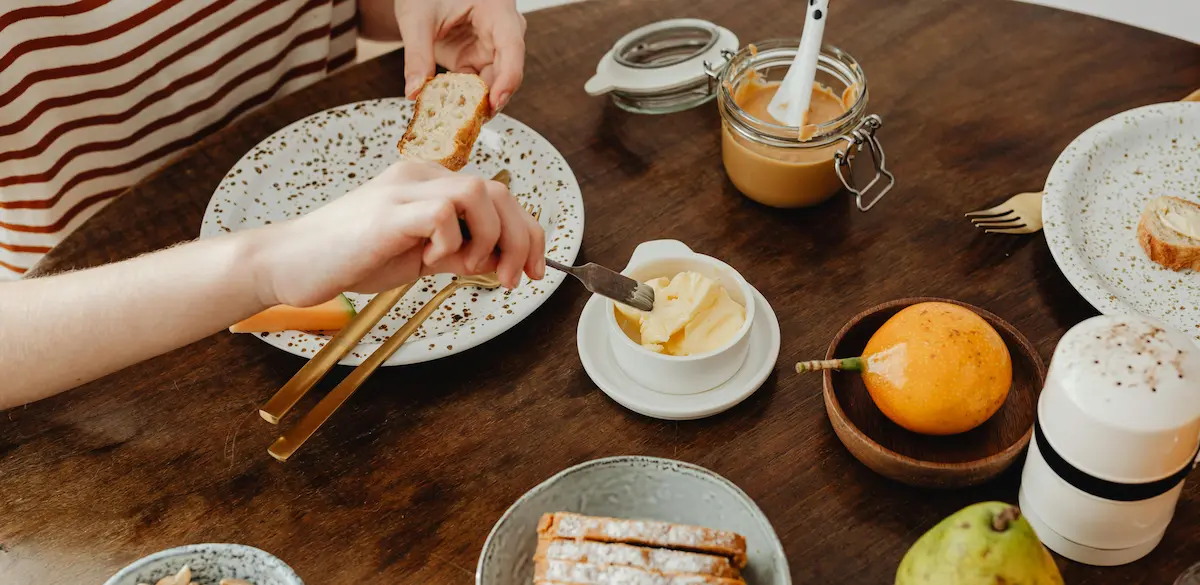
Think of it as a partnership between your body and your brain. Your body sends you signals about what it needs, like energy or comfort. Your brain knows a bit about nutrition science, like how fiber helps your digestion. Gentle nutrition happens when you use both.
It is different from strict dieting. Diets tell you to eat “good” foods and avoid “bad” foods. Gentle nutrition says there are no good or bad foods. There are just foods that nourish your body and foods that nourish your soul. You might have heard people compare intuitive eating vs. mindful eating, and gentle nutrition is where they overlap nicely. You are mindful of how food makes you feel physically, not just how it tastes.
“Make food choices that honor your health and taste buds while making you feel good.”3
Taste vs. Health: You Can Have Both
Many people think healthy food has to taste bland or boring. That is just not true! If you eat something just because it is “healthy” but you hate the taste, you won’t feel satisfied. You might even end up craving more food later because your mouth isn’t happy.
The authors of Intuitive Eating remind us that we need to consider taste in matters of nutrition.4 If you love brownies, a stale, low-fat version won’t cut it. You need the real thing to feel satisfied. On the flip side, if you only eat brownies, your body might start to feel sluggish or tired.
Gentle nutrition asks you to check in with your body. How does this meal make me feel? Do I have energy? Is my stomach comfortable? This is much more effective than following a strict intuitive eating meal plan that doesn’t care about your preferences.

Progress Not Perfection
One of the biggest reliefs of gentle nutrition is knowing you don’t have to be perfect. You will not suddenly get a nutrient deficiency or become unhealthy from one snack, one meal, or even one day of eating.5
What matters is what you eat consistently over time. It is the big picture. Our bodies are amazing and adaptable. If you miss out on a vegetable today, you can have one tomorrow. This takes the pressure off. You can relax and enjoy your life.
This flexibility is key, especially if you are managing a health condition. For example, navigating intuitive eating and diabetes requires awareness of blood sugar, but you can still approach it with kindness rather than judgment.
Practical Examples of Gentle Nutrition
What does this look like in real life? Here are a few simple ways you might practice gentle nutrition:
- Adding, Not Subtracting: Instead of taking foods away, think about what you can add. Could you add some strawberries to your cereal for color and vitamins? Could you add a side salad to your pizza night for some crunch fiber?
- Checking Your Energy: Notice if you feel tired in the afternoon. Maybe you need a snack with protein to keep you going. That is using nutrition to care for yourself.
- Respecting Your Hunger: Using the intuitive eating hunger scale helps you know when to start and stop eating, which naturally helps with portion sizes without measuring cups.
- Variety: Trying new fruits, vegetables, or grains keeps meals exciting and gives your body different nutrients.
Remember, it also involves “play foods.” These are foods you eat just for fun and taste, without worrying about nutritional value.6 A life without play food is boring!
| Feature | Rigid Dieting | Gentle Nutrition |
|---|---|---|
| Focus | Weight loss and rules | Feeling good and health |
| Mistakes | “I blew it, I’m a failure” | “It’s just one meal, no big deal” |
| Food Choice | Based on calories | Based on taste and body needs |
| Feeling | Guilt and deprivation | Satisfaction and freedom |
Getting Help on Your Journey
Transitioning to this way of thinking can be tricky, especially if you have been dieting for a long time. You might wonder, can you lose weight with intuitive eating? While weight loss isn’t the primary goal, many people find their weight stabilizes when they stop fighting food.
If you feel stuck, don’t worry. There are many ways to get support. You can read some mindful eating quotes for inspiration or check out our free .
For those who want deeper guidance, working with a certified intuitive eating counselor can be a game changer. We also offer intuitive eating workshops where you can learn alongside others.
Ready to make peace with food for good? We would love to have you. You can sign up for our newsletter to get tips delivered right to your inbox. If you are ready to commit to a happier, healthier you, come join our community today!
Join our
Intuitive Eating Community
Heal your relationship with food without shame, without rules, and without restrictions.

FAQ
A regular diet usually gives you strict rules about what you can and cannot eat. It often labels food as “good” or “bad.” Gentle nutrition is flexible. It encourages you to eat foods that help your body function well, but it also allows you to eat foods just for pleasure. There is no guilt involved in gentle nutrition.
Yes, absolutely. Gentle nutrition is very helpful for managing health issues like diabetes or high blood pressure. The difference is in the attitude. Instead of fearing food or feeling restricted, you choose foods that help you feel physically better and manage your condition out of self-care, not self-punishment.
It is saved for last to protect you. If you try to focus on nutrition rules while you are still healing from chronic dieting, you might turn nutrition into another diet. You need to learn to trust your body and make peace with food first. Once those foundations are strong, you can add nutrition back in without it becoming obsessive.
Intuitive Eating includes unconditional permission to eat, but gentle nutrition adds the element of body attunement. You *can* eat whatever you want, but you also pay attention to how that food makes you feel. You might realize that eating fast food for every meal makes you feel sluggish, so you choose to add more vegetables to feel energized.
Focus on how you feel. Instead of counting numbers, count colors on your plate or variety in your week. Pay attention to your energy levels, your digestion, and your satisfaction. If a meal keeps you full and happy for hours, that is a good sign. If you are hungry an hour later, you might need more protein or fiber next time.
Yes! Play foods are an important part of a healthy life. They provide pleasure and satisfaction. Gentle nutrition recognizes that mental health is part of overall health. Denying yourself favorite treats can lead to feelings of deprivation and bingeing. Including them helps you stay balanced.
Your weight might change, or it might stay the same. Every body is different. When you stop dieting and start listening to your body, your weight will settle at a range that is natural for you. Gentle nutrition focuses on healthy behaviors and how you feel, rather than trying to force the number on the scale to go down.
Watch out for rigidity and guilt. If you feel anxious about missing a vegetable serving, or if you feel guilty for eating dessert, the “diet police” might be sneaking back in. Gentle nutrition should feel flexible and kind. If you are stressing over every bite, it might be time to step back and focus on the other principles again.
Sources
1: Evelyn Tribole and Elyse Resch, *Intuitive Eating: A Revolutionary Anti-Diet Approach*, 4th ed. (New York: St. Martin’s Essentials, 2020), 212.
2: Tribole and Resch, Intuitive Eating, 212.
3: Tribole and Resch, Intuitive Eating, 212.
4: Tribole and Resch, Intuitive Eating, 215.
5: Tribole and Resch, Intuitive Eating, 212.
6: Tribole and Resch, Intuitive Eating, 216.