Intuitive Eating Meal Plan (Spoiler: It’s Not What You Think!)
Written by Aimee Gindin
Certified Intuitive Eating Counselor
Searching for an “intuitive eating meal plan” usually means you are looking for safety. You want a guide. You want to know exactly what to eat, when to eat it, and how much. But here is the funny thing about Intuitive Eating: having a rigid plan is actually the opposite of what we do here!
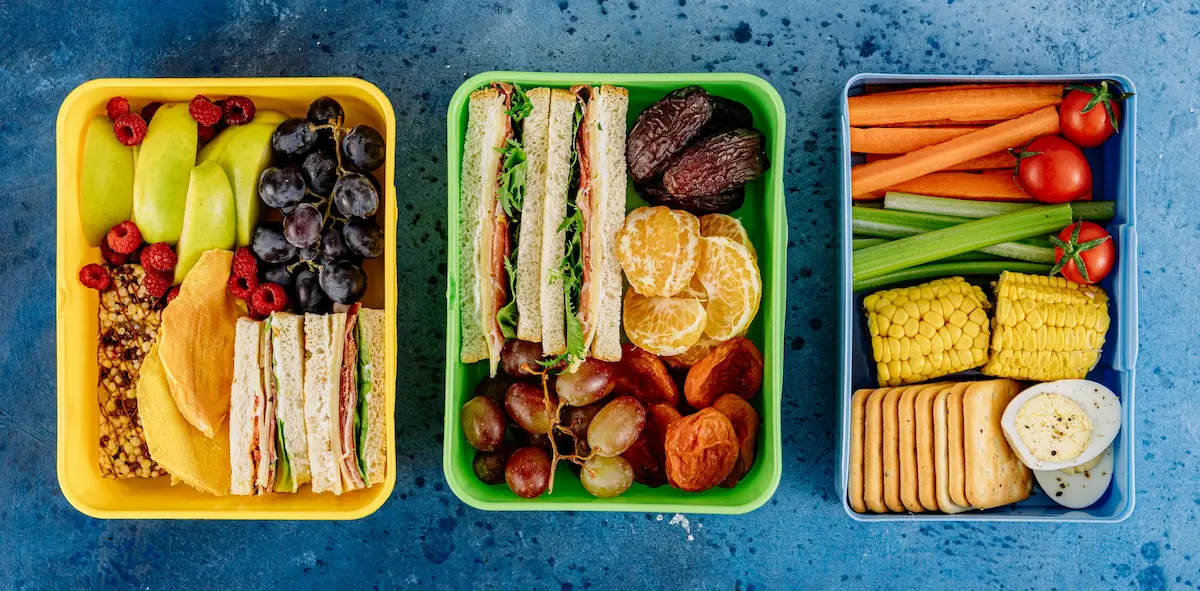
Table of Contents
- Why Traditional Meal Plans Fail
- The Problem with Rigid Rules
- How to Plan Without a Plan
- Comparison: Diet Plan vs. Intuitive Planning
- FAQ
- Sources
If you are trying to understand the difference between listening to your body and following a chart, you might want to check out our breakdown of Intuitive Eating vs Calorie Counting.
Why Traditional Meal Plans Fail
Did you know that the creators of Intuitive Eating, Evelyn Tribole and Elyse Resch, actually started their careers by giving out meal plans? It’s true. They wanted to help their clients, so they made “beautiful meal plans” tailored to what their clients liked.1
It seemed like a great idea at first. Clients would lose weight initially. But then, the phone would ring. The weight came back. The clients felt guilty. They felt like failures.
“In spite of the ‘failure,’ our patients put all the blame on themselves… Therefore, they had done something wrong, not us. As time went on, it became clear that something was very wrong with this approach.”2
The meal plans failed because they were external rules. They didn’t account for what the client’s body actually needed on a random Tuesday.

The Problem with Rigid Rules
When you follow a strict meal plan, you stop trusting yourself. You might ignore your hunger because it’s “not time to eat” yet. Or, you might eat when you aren’t hungry just because the plan says so. This disconnects you from your body’s natural signals.
To get back in touch with those signals, you need to learn about the Intuitive Eating Hunger Scale. It helps you identify when you are truly hungry, rather than eating just because a clock (or a paper) tells you to.
How to Plan Without a Plan
So, if there is no “intuitive eating meal plan,” do we just stare at an empty fridge? No way! We practice flexible planning. Here is how you can be prepared without being rigid:
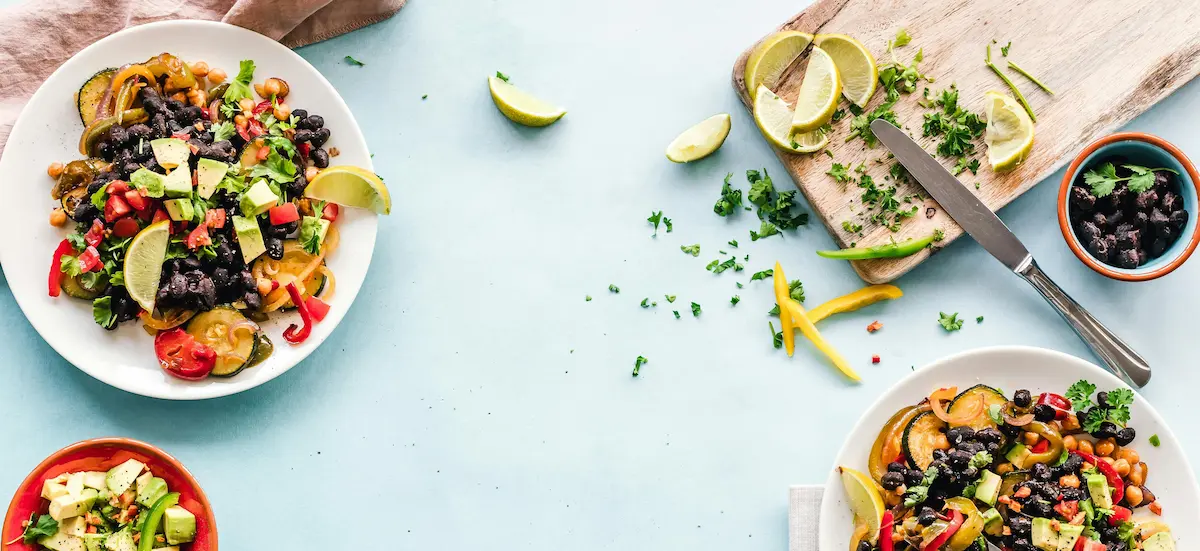
- Keep Food Available: You cannot honor your hunger if there is no food in the house. Make sure you shop for foods you enjoy.
- Use “Practical Hunger”: If you have a meeting at noon and won’t eat until 4:00 PM, it is smart to eat a lunch at 11:30 AM, even if you aren’t roaring hungry yet. That is self-care, not a diet rule.3
- Focus on Satisfaction: Ask yourself what you want to eat, not just what you should eat. Satisfaction is a key factor in feeling done with a meal.4
If you need help getting started with these concepts, we have free guides available at our Intuitive Eating Resources page.
Comparison: Diet Plan vs. Intuitive Planning
| Feature | Traditional Diet Meal Plan | Intuitive Eating “Planning” |
|---|---|---|
| Schedule | Eat at specific times only | Eat when you feel hungry |
| Food Choice | Eat what is on the list | Eat balanced and add what sounds satisfying |
| Portion Size | Measured and weighed | Based on your fullness cues |
| Goal | Weight loss | Feeling good and satisfied |
Ready to ditch the strict plans and start trusting your body?
We would love to have you register to join The Full Plate Community today!
Join our
Intuitive Eating Community
Heal your relationship with food without shame, without rules, and without restrictions.

FAQ
Yes, absolutely! Meal prepping is a great way to ensure you have food available when hunger strikes. The difference is that you prep food to have *options* ready, not to force yourself to eat a specific thing at a specific time. Think of it as “food availability” rather than a strict mandate.
This happens, and it is okay. Part of Intuitive Eating is discovering what you truly enjoy. If you prepped chicken but really want a sandwich, it is okay to have the sandwich. You can freeze the chicken for later. Forcing yourself to eat food you don’t want usually leads to feeling unsatisfied and searching for more snacks later.
There is no “official” meal plan because only your body knows what it needs. However, a good “un-plan” for a beginner is to simply ensure you have a mix of carbohydrates, proteins, and fats available in your kitchen. Aim to eat every 3-4 hours to keep your energy stable, but let your hunger guide the specific timing and amounts.
You can still make a grocery list! Instead of planning “Monday: Chicken, Tuesday: Salad,” try planning loosely. Buy 3 proteins you like, 3 veggies you enjoy, some fruits, and plenty of “play foods” (fun snacks). This gives you the ingredients to build meals based on what you are craving in the moment.
This is a very common fear. When you first give up rules, you might crave previously “forbidden” foods. But eventually, your body will crave variety. You will naturally start to want foods that make you feel energized and good. It is a process called habituation—when you can have it whenever you want, it becomes less exciting.
Intuitive Eating is not a weight loss method. If you focus on losing weight, it turns the process into another diet, which interferes with your ability to listen to your body. The goal is to heal your relationship with food. Your weight might go up, down, or stay the same, but your peace of mind will definitely improve.
Eating out is fun! Look at the menu and ask yourself, “What sounds good to me right now?” and “How do I want to feel after I eat?” You can order what you want, eat until you are comfortably full, and take the rest home. There is no need to study the menu beforehand to find the “healthiest” item unless that is what you truly want.
No. Counting macros and calories are forms of “pseudo-dieting.” They are external rules that drown out your internal body signals. To become an Intuitive Eater, you need to delete the tracking apps and trust your internal hunger and fullness cues instead.
Sources
1: Tribole, Evelyn, and Elyse Resch. Intuitive Eating: A Revolutionary Anti-Diet Approach. 4th ed. [cite_start]New York: St. Martin’s Essentials, 2020, 14. [cite: 331]
2: Tribole and Resch, Intuitive Eating, 15.
3: Tribole and Resch, Intuitive Eating, 126.
4: Tribole and Resch, Intuitive Eating, 72.