Can You Lose Weight with Intuitive Eating?
Written by Aimee Gindin
Certified Intuitive Eating Counselor
Have you ever felt like you have tried every diet under the sun? You count calories, cut out carbs, and eat tiny portions, but the weight always seems to come back. It is exhausting. If you are reading this, you might be looking for a new answer. You may have heard about Intuitive Eating and wondered, “Can I lose weight with this?”
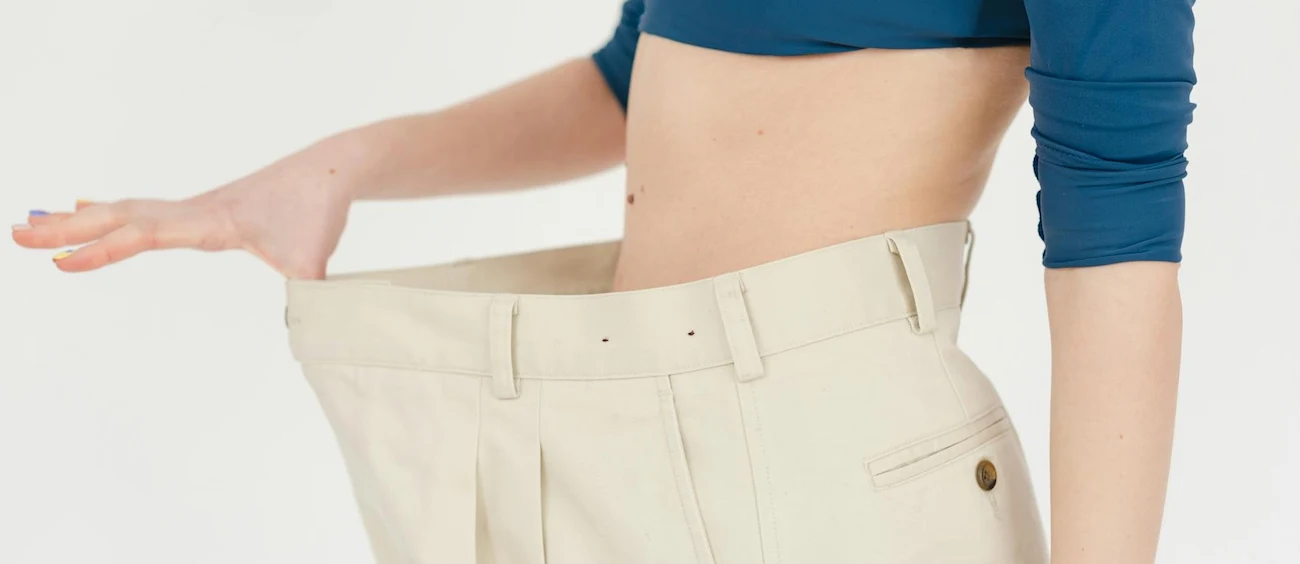
It is a fair question. We live in a world that is obsessed with being thin. At The Full Plate, we understand that stepping away from dieting can feel scary. We want to help you understand what Intuitive Eating really is and what it means for your body size.
Table of Contents
- The Big Question: Will I Lose Weight?
- Why Diets Don’t Actually Work
- The Hunger Games: Listening to Your Body
- Three Things That Might Happen to Your Weight
- Signs You Are Becoming an Intuitive Eater
- Finding Support on Your Journey
- FAQ
- Sources
The Big Question: Will I Lose Weight?
Let’s get right to the point. Intuitive Eating is not a weight-loss plan. In fact, if you go into it trying to lose weight, it probably won’t work. Why? Because focusing on the number on the scale keeps you stuck in the “diet mentality.” This mentality is exactly what you need to break free from to make peace with food.1
The authors of Intuitive Eating, Evelyn Tribole and Elyse Resch, explain that this approach is “weight-neutral.” This means the goal is not to shrink your body. The goal is to heal your relationship with food and your body. When you become an Intuitive Eater, your body will settle at the weight that is natural for it. For some people, that might mean losing weight. For others, it might mean staying the same or even gaining a little weight.
“It would be a mistake to promote Intuitive Eating for weight loss, as it would undermine and interfere with the process, because IE is an internally based process, whereas a focus on body weight is externally based.”2
If you are just starting out, you might want to learn more about our community at The Full Plate. We are here to support you as you learn to trust your body again. You can read more about us and our mission and our mission to help you find food freedom.
Why Diets Don’t Actually Work
You might be thinking, “But dieting is the only way I know how to control my body!” The truth is, dieting is often the problem, not the solution. When you restrict food, your body thinks it is starving. It doesn’t know you are just trying to fit into a smaller pair of jeans. It just knows it needs energy to survive.
When you diet, a few biological things happen:
- Your metabolism slows down: Your body tries to save energy because it thinks food is scarce.3
- Cravings increase: Your brain sends out chemicals that make you crave high-energy foods, like carbs.4
- You lose trust in yourself: You start to rely on rules instead of your own body signals.5
This is why so many people gain the weight back plus more. It is not because you have no willpower. It is biology! Your body is fighting to keep you alive.
If you are struggling to let go of these old habits, it can be really helpful to talk to a professional. A Certified Intuitive Eating Counselor can guide you through the process of rejecting the diet mentality and learning to trust yourself again.
The Hunger Games: Listening to Your Body

One of the biggest parts of Intuitive Eating is learning to listen to your hunger. This sounds simple, but after years of dieting, many of us have forgotten what hunger feels like. We eat because it is “time” to eat, or we skip meals because we are “being good.”
Honoring your hunger means feeding your body when it asks for fuel. If you ignore your hunger, you might end up feeling ravenous later. This often leads to overeating because your body is desperate for energy.
To help you get back in touch with these signals, you can use the Intuitive Eating Hunger Scale. This tool helps you rate your hunger from 1 (starving) to 10 (stuffed). The sweet spot is usually eating when you are gently hungry and stopping when you are comfortably full.
Three Things That Might Happen to Your Weight
Since Intuitive Eating is about letting your body find its natural balance, your weight outcome will depend on where you are starting from. Here is a look at the three possibilities:
| Outcome | Why This Might Happen |
|---|---|
| You Might Lose Weight | If you have been eating way past fullness or eating to cope with emotions, you might lose weight as you learn to listen to your body signals.6 |
| You Might Stay the Same | If you are already at your body’s natural set point, your weight will likely stay stable. |
| You Might Gain Weight | If you have been chronically dieting and suppressing your weight below what is natural for you, your body might need to gain weight to be healthy.7 |
This can be hard to hear if you have spent your whole life trying to be smaller. But respecting your body means accepting its genetic blueprint. Just like you can’t change your shoe size, you can’t force your body to be a size it wasn’t meant to be without hurting yourself.
Signs You Are Becoming an Intuitive Eater
So, if you aren’t tracking pounds lost, how do you know if you are making progress? In Intuitive Eating, we look for “non-scale victories.” These are the wonderful changes that happen when you stop fighting with food.
Here are some signs of success:
- You have more energy because you are fueling your body properly.
- You don’t feel guilty after eating a cookie.
- You stop eating when you are full because you know you can eat again later.
- You enjoy moving your body for fun, not just to burn calories.
“If you don’t love it, don’t eat it, and if you love it, savor it.”8
These quotes can be very inspiring. We have a collection of Mindful Eating Quotes that can help keep you motivated when things feel tough.
Finding Support on Your Journey
Becoming an Intuitive Eater is a journey, not a race. It takes time to unlearn all the diet rules you have been taught. You might have days where you feel great and days where you miss the “safety” of a diet plan. That is completely normal.
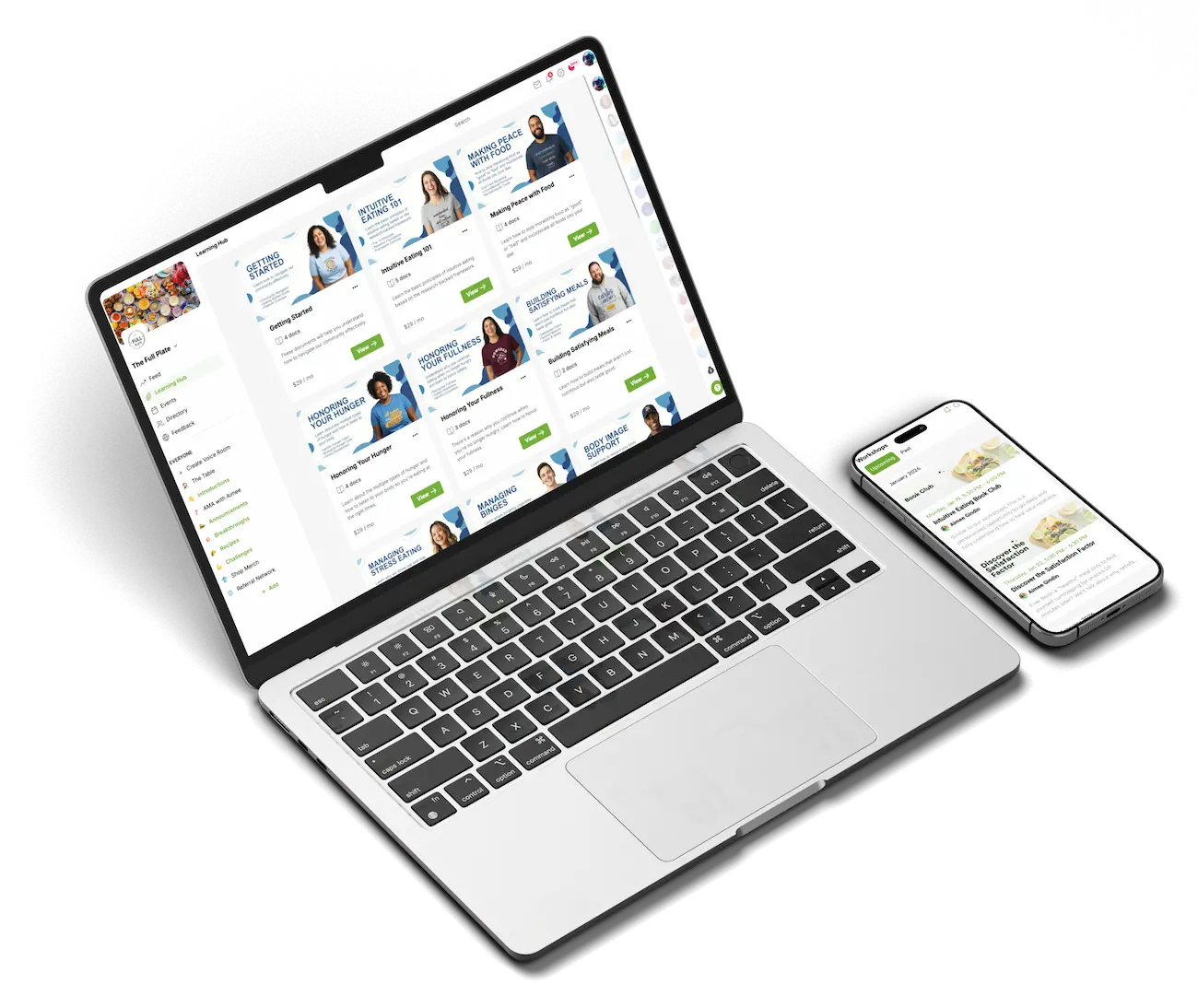
To help you along the way, we offer Intuitive Eating Workshops where you can learn more and connect with others. We also have a library of free intuitive eating resources including guides and checklists to help you practice these principles at home.
If you are ready to say goodbye to dieting and hello to food freedom, we invite you to join The Full Plate Community. It is a safe space where you can be yourself, regardless of your body size. And don’t forget to sign up for our intuitive eating newsletter for weekly tips and encouragement.
Remember, you are more than a number on a scale. You deserve to eat with joy and live your life to the fullest!
Join our
Intuitive Eating Community
Heal your relationship with food without shame, without rules, and without restrictions.
FAQ
This is the number one fear people have! It makes total sense that you would worry about this. When you have been restricting foods like cookies or chips, your brain makes them seem extra special. But when you give yourself permission to eat them whenever you want, they actually lose their “superpower.” It is a concept called habituation. Think about it: if you ate pizza for every single meal, you would eventually get tired of it and crave something else. The same thing happens here. Once you know the food is allowed, the urge to binge on it fades away.
Not at all. It is not impossible, but it isn’t the main goal. Your weight is a result of many things, like your genes and your history of dieting. When you become an Intuitive Eater, your weight will settle where it is biologically meant to be. For some, that means losing weight. For others, it means staying the same or gaining a bit. The key is that you are focusing on healthy behaviors and how you feel, rather than forcing your body to hit a specific number on the scale.
Traditional “healthy eating” often comes with a side of guilt. You might eat a salad because you feel like you have to, not because you want to. Intuitive Eating includes something called “Gentle Nutrition.” This means you make food choices that honor your health and your taste buds. You eat foods that make you feel good physically, but you don’t beat yourself up if you have a slice of cake at a birthday party. It is about flexibility, not rigid rules.
Yes, absolutely. You can listen to your body and manage your health at the same time. In fact, listening to your body signals can help you manage conditions better. For example, if you have diabetes, you might notice that eating too much sugar on an empty stomach makes you feel sluggish or shaky. You learn to eat in a way that keeps your energy steady because it feels better, not just because a doctor told you to. Always chat with your healthcare provider, but know that your body’s wisdom is a huge asset.
You don’t “have” to do anything—that is the beauty of it! But Intuitive Eating does encourage “Movement for Enjoyment.” Instead of exercising to burn calories or punish yourself for what you ate, you move because it feels good. Maybe that is dancing in your living room, walking the dog, or gardening. When you take the pressure off, you might find that you actually enjoy being active a lot more.
There is no set timeline because everyone is different. It depends on how long you have been dieting and how deep those rules are buried in your mind. Some people feel a shift in a few weeks, while others take months or years to fully heal their relationship with food. It is a journey, not a race. Be patient with yourself. Every time you listen to your hunger or respect your fullness, you are making progress!
Sources
1: Evelyn Tribole and Elyse Resch, Intuitive Eating: A Revolutionary Anti-Diet Approach, 4th ed. (New York: St. Martin’s Essentials, 2020), 68.
2: Tribole and Resch, Intuitive Eating, 27.
3: Tribole and Resch, Intuitive Eating, 42.
4: Tribole and Resch, Intuitive Eating, 117.
5: Tribole and Resch, Intuitive Eating, 42.
6: Tribole and Resch, Intuitive Eating, 27.
7: Tribole and Resch, Intuitive Eating, 42.
8: Tribole and Resch, Intuitive Eating, 73.