Certified Intuitive Eating Counselor
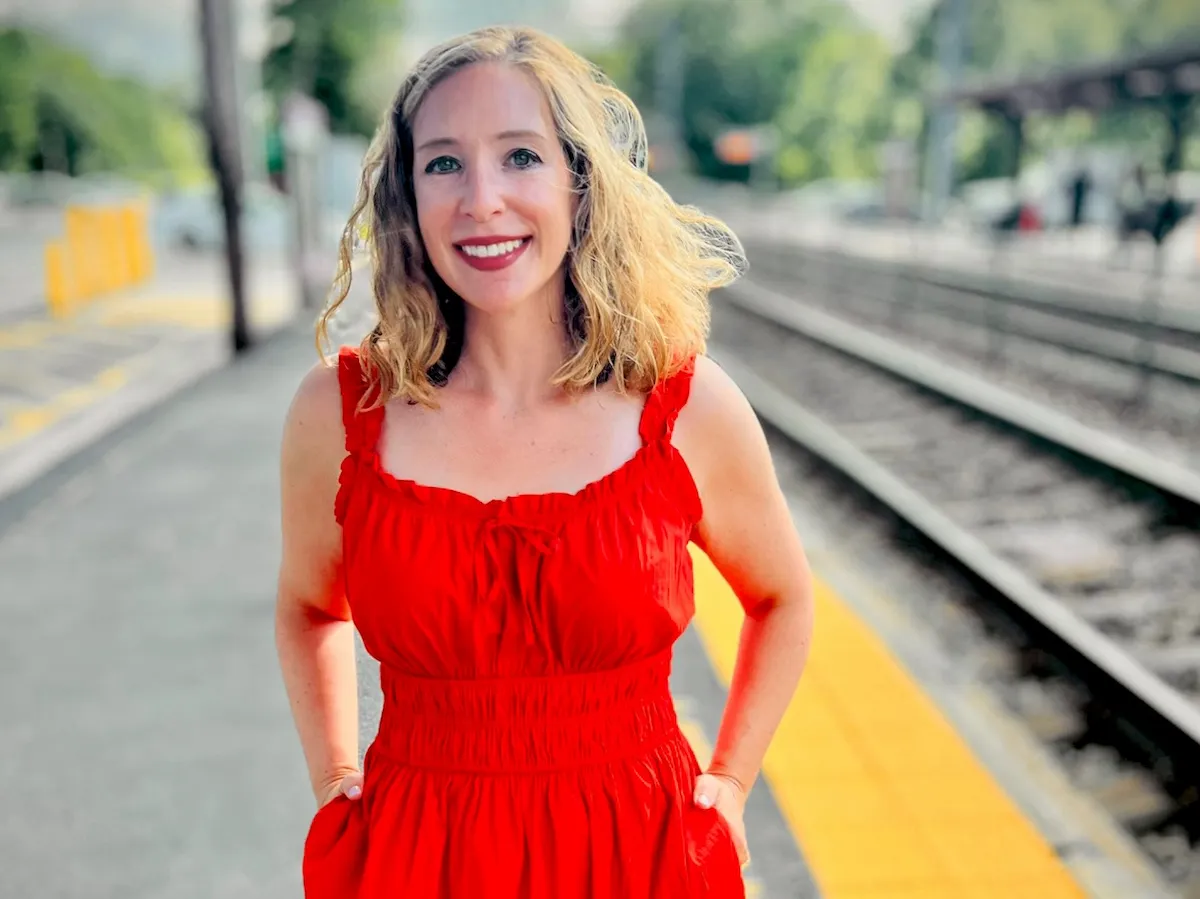
Hi there, I’m Aimee Gindin, a Certified Intuitive Eating Counselor. What is a Certified Intuitive Eating Counselor and how can one help you achieve your health goals? Read on to learn how.
Have you ever felt like you know exactly what you should eat, but you just can’t seem to stick to it? You are not alone. We live in a world that is obsessed with dieting. We are told to count calories, cut out carbs, and shrink our bodies. But the truth is, dieting usually fails. In fact, up to 95 percent of all diets fail1. If you are tired of the food fight, you might be looking for a new path. That path is called Intuitive Eating.
It sounds great, right? You just listen to your body. But after years of following strict food rules, trusting yourself can feel scary. That is where a pro comes in.
Table of Contents
- What is a Certified Intuitive Eating Counselor?
- Why You Might Need a Guide
- Diet Coach vs. Intuitive Eating Counselor
- What Happens in a Session?
- Can You Do This Alone?
- Your Next Steps
- FAQ
- Sources
What is a Certified Intuitive Eating Counselor?
You might see many people online giving nutrition advice. It can get confusing. A Certified Intuitive Eating Counselor is a specific type of professional. These are allied health pros – like dietitians, therapists, nurses, or doctors – who have gone through special training2.
They are trained by the original creators of Intuitive Eating, Evelyn Tribole and Elyse Resch3. This means they don’t just guess how to help you; they follow a proven framework. They have passed an exam and completed supervision to make sure they know how to guide you safely.
Think of them as guides on a hiking trail. You could try to find your way through the woods alone, but having a guide who knows the path makes the journey safer and much more enjoyable. If you want to learn more about our philosophy and who we are, you can read more about us.
Why You Might Need a Guide
Intuitive Eating is not a diet. It is actually the opposite. It is about trusting your inner wisdom. But if you have spent years ignoring your hunger or eating to soothe your feelings, that inner voice might be quiet.
You might need a Certified Intuitive Eating Counselor if:
- You have a history of chronic dieting: If you have been on and off diets your whole life, you might have “diet backlash.” This includes intense cravings and guilt4.
- You have medical needs: You need to work with a practitioner who understands both your health issues and Intuitive Eating. This is vital for things like diabetes or digestion issues.
- You struggle with eating disorders: If you are healing from an eating disorder, it is encouraged to work with a treatment team. Attempting to follow hunger signals when you are recovering from things like starvation or bingeing can be dangerous and requires expert help5.
- You deal with trauma: Sometimes, being in your body feels unsafe due to trauma history. A trained counselor helps you navigate this with kindness.
Also, there are some people who simply do not have access to enough food. It is hard to honor your hunger if you don’t know where your next meal is coming from. A counselor helps navigate these tricky situations with dignity.
Diet Coach vs. Intuitive Eating Counselor
It is easy to mix up a traditional diet coach with an Intuitive Eating Counselor. They have very different goals. A diet coach usually focuses on weight loss. An Intuitive Eating Counselor focuses on your relationship with food and your body.
Here is a quick look at the differences:
| Feature | Diet Coach / Weight Loss Program | Certified Intuitive Eating Counselor |
|---|---|---|
| Primary Goal | Weight loss and shrinking the body. | Healing your relationship with food and body. |
| Rules | External rules (eat this, don’t eat that). | Internal cues (hunger, fullness, satisfaction). |
| View on Food | Foods are “good” or “bad”. | All foods are emotionally equal (food neutrality). |
| Success Metric | The number on the scale. | Psychological well-being and body appreciation. |
| Exercise | Used to burn or earn calories. | Used for pleasure and how it feels (joyful movement). |
Diet culture tells us that thinness equals health and moral virtue6. An Intuitive Eating Counselor helps you reject that idea. If you are looking for tools to help you spot diet culture in your daily life, check out our free resources.

What Happens in a Session?
If you book a session with a Certified Intuitive Eating Counselor, do not expect a weigh-in. In fact, they will likely ask you to stop weighing yourself entirely. Why? Because focusing on the scale interferes with your ability to listen to your body7.
Instead of a meal plan, you will work on the ten principles of Intuitive Eating8. Here is what you might work on:
- Challenging the Food Police: This is that voice in your head that judges you for eating a cookie or skipping a workout. Your counselor helps you talk back to that voice.
- Coping with Emotions: You will learn kind ways to deal with anxiety, boredom, or sadness without always turning to food.
- Making Peace with Food: You will get permission to eat what you want. This sounds scary, like you will never stop eating. But eventually, the urgency to eat fades when you know you are allowed to have it.
- Gentle Nutrition: Yes, nutrition matters! But it comes last. Once you heal your relationship with food, you can make choices that honor your health and taste buds without guilt9.
It is not a straight line. It is a process of discovery. You might feel like you are taking two steps forward and one step back. That is normal. A counselor helps you see those “setbacks” as learning experiences.
Can You Do This Alone?
You might be wondering if you really need to hire someone. The book Intuitive Eating was written to help people heal on their own10. Many people read the book and succeed.
However, we live in a culture that is constantly shouting at us to diet. It is hard to swim upstream alone. Having a support system is crucial. You need people who understand that you are not failing just because you ate a donut. You need a place where body diversity is respected.
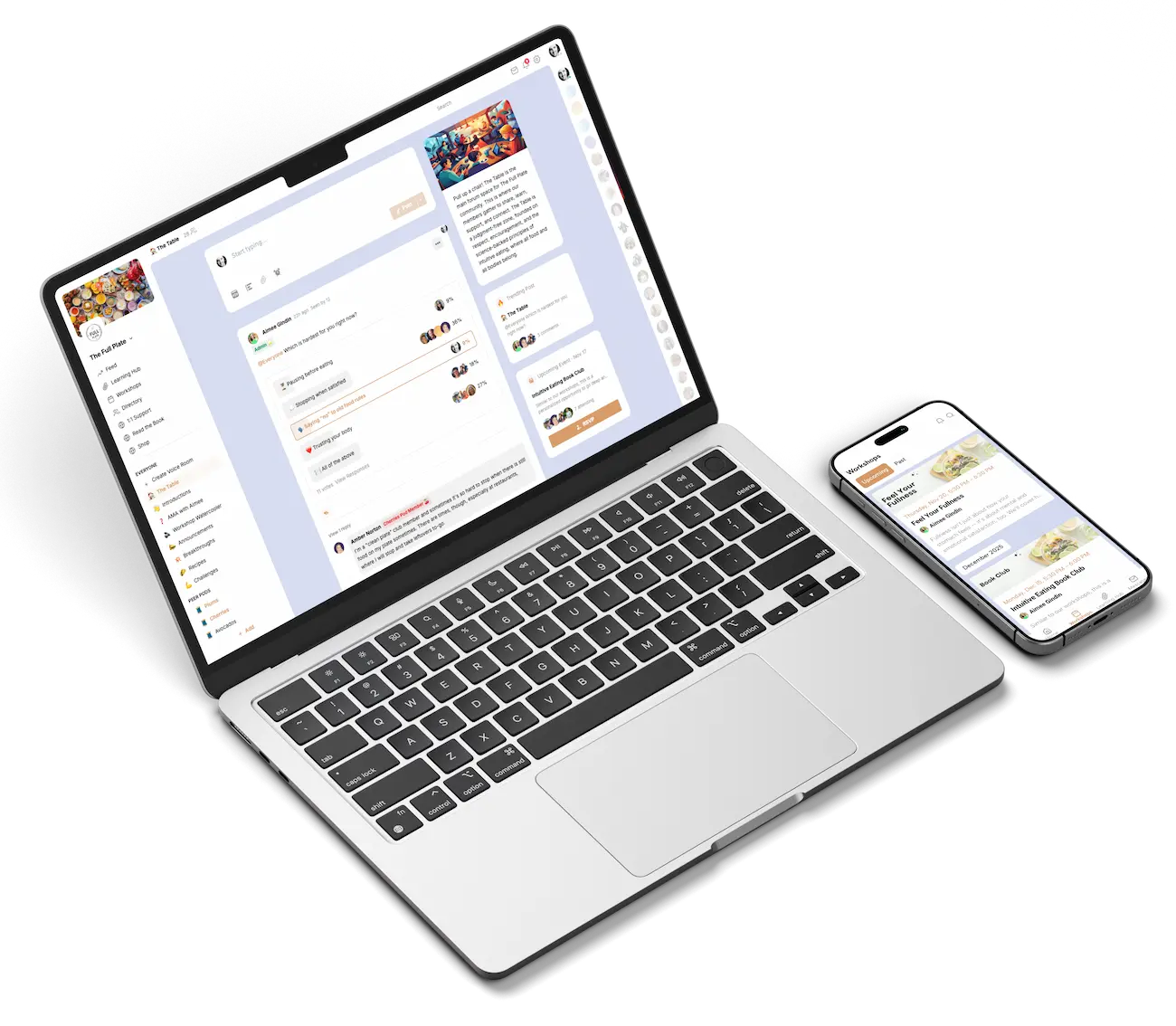
Sometimes, reading a book isn’t enough to break decades of habits. You might need to hear a human voice tell you that you are okay. You might need to practice these skills with others. That is why we offer intuitive eating workshops where you can learn these principles in a group setting.
Your Next Steps
Becoming an Intuitive Eater is a journey. It is about moving from a place of war with your body to a place of peace11. Whether you work with a Certified Intuitive Eating Counselor one-on-one or learn through a community (like ours), the most important step is the first one: deciding that you are done with dieting.
You deserve to enjoy eating. You deserve to respect your body, no matter its size. And you don’t have to do it alone.
If you are ready to ditch the diet mentality and find support, we would love to have you. Register and join and join The Full Plate Community today. Let’s find food freedom together.
Join our
Intuitive Eating Community
Heal your relationship with food without shame, without rules, and without restrictions.
Free membership
No credit card required
FAQ
A Certified Intuitive Eating Counselor is a health professional who has special training. This group includes dietitians, therapists, and other health workers. They have studied the official Intuitive Eating process created by Evelyn Tribole and Elyse Resch. To get certified, they must complete a study program, pass an exam, and be supervised by experts. Our founder, Aimee Gindin has completed her certification.
The goal of Intuitive Eating is not weight loss. In fact, focusing on weight loss can actually stop you from listening to your body’s signals. If you focus on your weight, you are looking at outside rules instead of your internal cues. Your counselor will help you focus on health and how you feel, rather than the number on the scale.
Yes, you give yourself permission to eat all foods. This might sound scary, like you will never stop eating sweets. But when you know you can eat a food anytime you want, the intense craving for it goes away. A counselor helps you make peace with food so you don’t feel out of control.
Yes, the first step is to reject the diet mentality. You have to throw out the diet books and stop hoping a new diet will fix everything. If you keep holding on to the hope of a quick fix, it prevents you from being free to discover Intuitive Eating. If you need help spotting diet culture, check out our intuitive eating resources.
There is no set time. It depends on how long you have been dieting and how deep the diet rules are in your mind. For some people, it takes a few months. For others, it might take a few years to fully trust their body again. A counselor helps you stay patient during the journey
You can still use Intuitive Eating. It is important to work with a counselor who knows about your specific health needs. They can help you honor your health without turning nutrition into a strict diet. You can listen to your body and manage your health at the same time
No, it is for anyone who wants a healthy relationship with food. It helps chronic dieters who are tired of the cycle of losing and gaining weight. However, if you do have an eating disorder, it is very important to have a treatment team to help you
Gentle Nutrition is the final principle of Intuitive Eating. It means making food choices that honor your health and your taste buds. You don’t have to eat perfectly to be healthy. A counselor introduces this step last so you don’t turn it into another diet.
You cannot fail at Intuitive Eating. It is a learning process. In dieting, if you eat the “wrong” food, you feel like you failed. In Intuitive Eating, every eating experience teaches you something about your body and your hunger. If you want to practice these skills with others, consider signing up for one of our workshops.
Sources
1-11. Evelyn Tribole and Elyse Resch, Intuitive Eating: A Revolutionary Anti-Diet Approach, 4th ed. (New York: St. Martin’s Essentials, 2020).